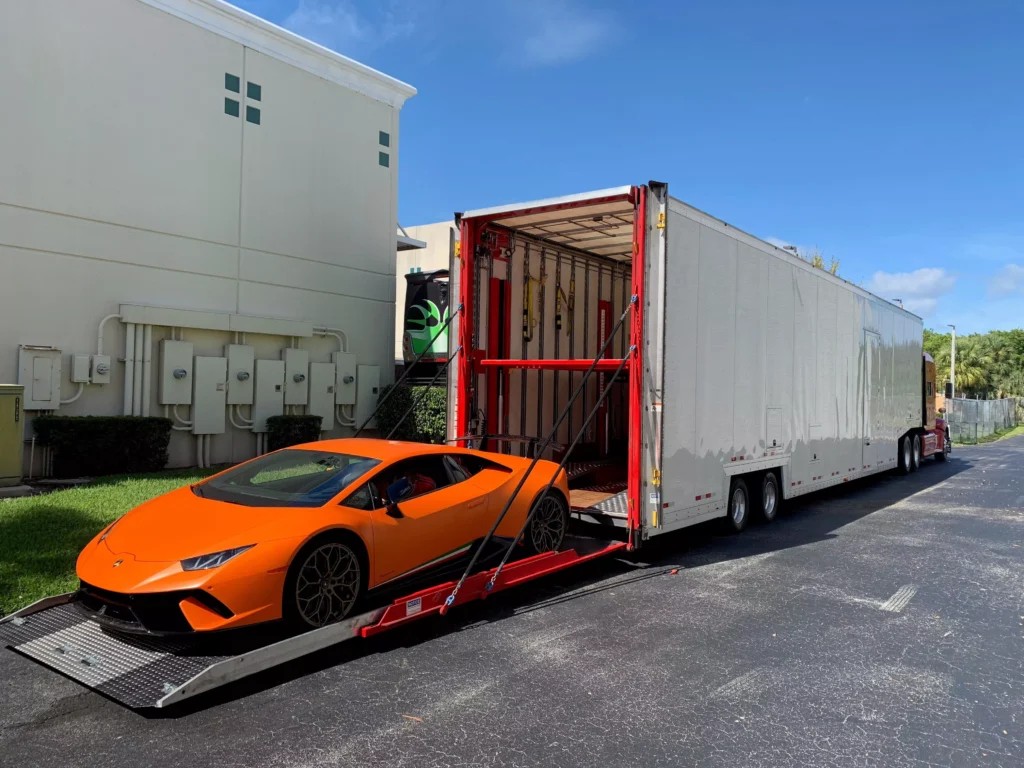
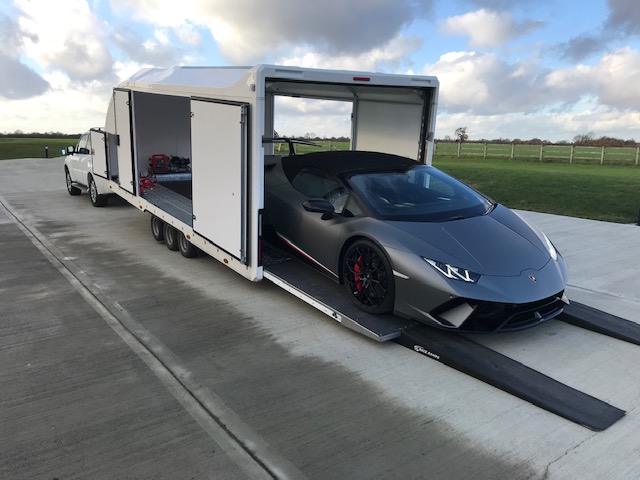
Preparing a vehicle for an island relocation is not quite the same as getting ready for a road trip. Once the car is handed over for transportation, personal belongings left inside become part of a shipment that must be handled according to transportation requirements. That makes the final cleaning and inspection more important than many owners expect.
Whether the vehicle is traveling alongside a household relocation or being shipped separately, a few minutes spent emptying the cabin, trunk, and storage compartments can prevent unnecessary complications. Proper preparation also makes the pickup process more straightforward for both the owner and the carrier.
Start With the Passenger Area
The most obvious place to begin is the interior. Remove anything that is not permanently attached to the vehicle.
That includes:
- Sunglasses and cases
- Chargers and cables
- Loose change
- Water bottles
- Clothing and shoes
- Books and documents
- Small electronics
- Children’s toys
- Personal accessories
Small objects can shift during transportation and may become damaged, misplaced, or lodged under seats. Keeping the cabin empty also allows the vehicle to be inspected more easily before departure.
Don’t Forget the Hidden Compartments
Owners often remember the glove compartment but overlook the center console, door pockets, seat-back organizers, and areas underneath the seats.
Take a systematic approach. Open every compartment and check it before closing the vehicle for transport. Items that have been sitting unnoticed in the car for months can easily be forgotten.
Give the Trunk a Thorough Check
The trunk is particularly easy to overlook because it often functions as an informal storage area. However, leaving everyday belongings inside can complicate vehicle preparation.
Remove grocery bags, emergency supplies, sports equipment, luggage, tools, blankets, and miscellaneous household items. Check underneath the trunk floor as well. Many vehicles have additional compartments around the spare tire or repair equipment.
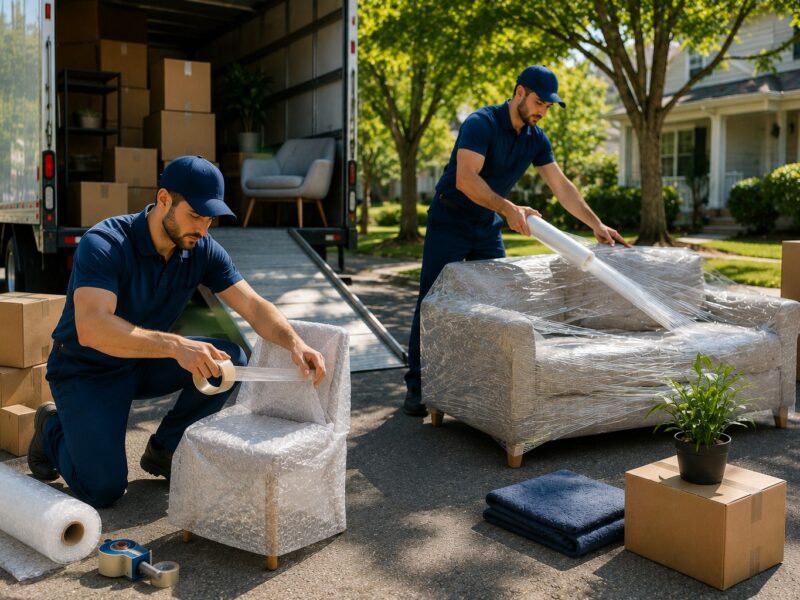
For customers coordinating Hawaii Moving at the same time, this distinction is especially useful: household goods should be packed and transported through the appropriate moving process rather than simply being placed inside the vehicle.
Items That Need Special Attention
Some objects should never be treated as harmless loose cargo.
Remove Valuables
Jewelry, cash, important documents, collectibles, expensive electronics, and other irreplaceable possessions should remain with you. A vehicle shipment is not a substitute for transporting personal valuables.
Remove Food and Perishables
Food, beverages, and anything that can leak, spoil, attract pests, or create unpleasant odors should be taken out. This includes snacks hidden in the console and drinks left in cup holders.
Check for Prohibited or Problematic Items
Before handing over the keys, inspect the entire vehicle for chemicals, pressurized containers, flammable materials, or other items that may not be permitted during transportation. If you are uncertain about a particular item, ask the shipping provider before pickup.
What Can Usually Stay in the Vehicle?
Not every object associated with the car needs to disappear. Permanently installed equipment and components that are part of the vehicle generally remain where they are.
Factory-installed electronics, built-in navigation systems, seats, and other secured components are not treated like loose personal belongings. The important distinction is whether something is attached to the vehicle or simply being used as extra storage.
During Hawaii Vehicle Shipping, following the carrier’s preparation instructions is more important than trying to maximize the amount you can fit inside the car.
One Last Inspection Before Pickup
After the vehicle has been emptied, take a few minutes for a final walk-through. Open the trunk, inspect the back seats, check the glove box, and look beneath the seats one more time.
It is also useful to photograph the vehicle’s exterior and interior before transportation. Clear images can document its condition at the time of pickup and provide a useful reference when it reaches the destination.
Prepare the Car, Then Prepare Yourself
A clean, empty vehicle is easier to inspect, easier to document, and less likely to create questions at pickup. Removing personal possessions also separates the two parts of an island relocation: the car itself and the household goods traveling to Hawaii.
For anyone arranging Hawaii Vehicle Shipping, that simple distinction can make preparation much less stressful. And when Hawaii Moving is part of a larger relocation, handling the vehicle separately and methodically helps keep the entire move organized from the mainland departure point to the arrival on the islands.